Centrifuge Separation After Enzymatic Degumming: Common Bottlenecks
In an edible oil refinery, enzymatic degumming is only as valuable as the separation that follows it. The enzyme program may be converting phospholipids effectively, but if the centrifuge is unstable, the plant still sees cloudy light phase, variable phosphorus, wet gums, higher neutral oil loss, and operators chasing bowl settings shift by shift.
For refinery managers, equipment vendors, maintenance teams, and process consultants, the real question is practical: is the bottleneck in the enzyme reaction, the upstream conditioning, the feed consistency, or the separator itself?
Enzymelight supplies degumming enzymes wholesale and in bulk, quoted per order, to refineries, manufacturers, distributors and resellers. Application support stays on plant-floor outcomes: phosphorus reduction, predictable dosing, cleaner centrifuge behavior, and commercially sensible yield performance.
Wholesale and bulk supply. Request a quote. Buying degumming enzymes for a refinery, for resale, or for a biotech or manufacturing program? Send the product, the quantity and the destination through the inquiry form, and we reply with a quote.
Why centrifuge problems appear after enzymatic degumming
Enzymatic degumming changes the physical behavior of the gum phase. When phospholipids are modified into more separable material, the centrifuge should generally see a cleaner density split and more manageable interphase. But that improvement depends on the process arriving at the centrifuge in the right condition.
Common upstream variables include:
- Crude oil variability by seed origin, storage, and prior handling
- Acid and water addition consistency
- Enzyme dosing control and contact time
- Mixer intensity and shear profile
- Temperature stability through the reaction section
- Holding volume, residence time, and short-circuiting risk
- Feed pressure and flow swings into the separator
When one of these variables drifts, operators often see the symptom at the centrifuge first. That does not always mean the centrifuge is the root cause.
Bottleneck 1: Rag layer growth and unstable interface
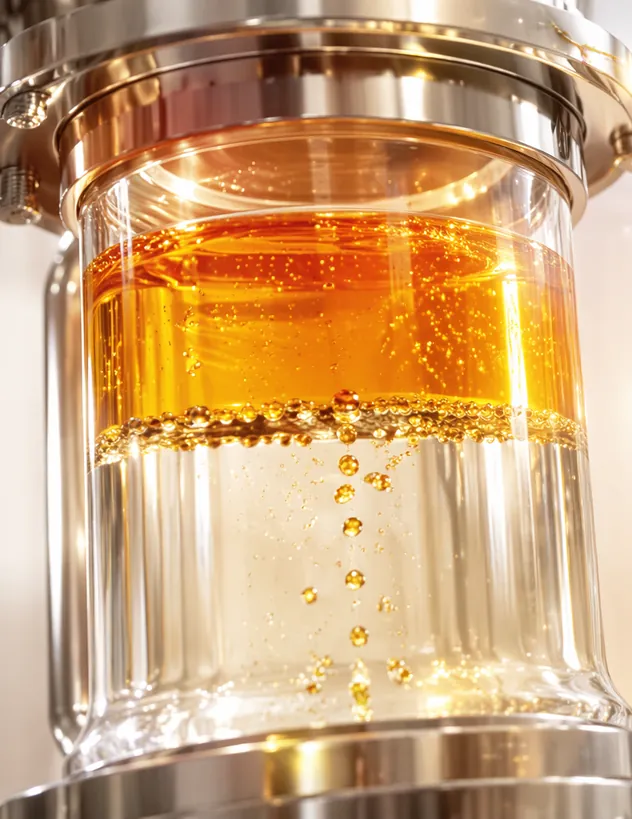
A persistent rag layer usually points to an emulsion or incomplete separation condition. In enzymatic degumming, this can be caused by poor water balance, excessive shear, unstable feed, or insufficient reaction control before separation.
What to check
- Is water addition steady, or is the pump pulsing?
- Are acid and enzyme contact points positioned for proper dispersion without over-shearing?
- Has crude oil quality changed since the previous stable run?
- Is temperature drifting during start-up, changeover, or rate increase?
- Are bowl settings being adjusted to compensate for an upstream condition?
Commercial impact
A growing rag layer can reduce throughput, increase discharge frequency, and carry more neutral oil into the gums. The result is not just a separation nuisance; it can become a yield and uptime issue.
Bottleneck 2: Cloudy light phase after separation
Cloudy oil after the centrifuge may indicate entrained gum phase, incomplete phospholipid conversion, unstable hydration, or mechanical carryover. The right response is not always to increase separator severity. Sometimes the better answer is to stabilize reaction conditions so the separator receives a cleaner, more predictable feed.
Practical diagnostic questions
- Did the cloudiness begin after a feedstock change?
- Is the enzyme dose being metered consistently at low flow and high flow?
- Is the reaction section providing enough effective contact time?
- Are mixing conditions creating dispersion or forming a stubborn emulsion?
- Is the centrifuge handling steady feed, or seeing flow and pressure surges?
Enzymelight’s process support focuses on connecting these observations back to the enzyme program and conditioning train, not treating the separator as an isolated piece of equipment.
Bottleneck 3: Phosphorus targets are met inconsistently
Intermittent phosphorus performance is one of the most frustrating situations in enzymatic degumming. The plant may meet target specification for several hours, then drift out of range without an obvious mechanical fault.
Likely causes
- Crude oil phosphorus load varies more than expected
- Enzyme dosing is not tracking feed rate accurately
- Temperature changes reduce process consistency
- Acid or water addition is not aligned with the incoming oil condition
- Residence time changes during rate adjustments
- Separator instability causes variable carryover
What good control looks like
A robust enzymatic degumming program should give operators a narrower operating window to manage, not a wider one. Feed changes still matter, but the process should be built around stable dosing logic, repeatable conditioning, and clear escalation points when separation behavior changes.
Bottleneck 4: Neutral oil loss into gums
Neutral oil loss is where separation problems become directly visible to finance. Even small increases in oil carried into the gum phase can reduce refining margin, especially when the plant is running high-value feedstocks or high daily throughput.
Where losses can increase
- Over-shearing upstream of the centrifuge
- Poor interface control
- Wet or voluminous gum phase
- Excess water addition
- Unstable discharge behavior
- Attempts to force separation by aggressive mechanical adjustment
Enzymatic degumming should support yield improvement by making phosphorus removal more selective and separation more controlled. If the plant is losing more oil into gums after a process change, the enzyme, water, mixing, and separator conditions should be reviewed together.
Bottleneck 5: Operators compensate with constant centrifuge adjustments
When operators are frequently changing back pressure, flow, discharge timing, or interface-related settings, the plant may be managing symptoms rather than solving the constraint.
A useful rule: if the same separator performs well on one crude oil run and poorly on the next, the problem may be upstream conditioning. If it performs poorly across multiple stable process conditions, mechanical inspection and separator service may be needed.
Useful cross-functional checks
For equipment vendors and maintenance firms:
- Confirm mechanical baseline before process changes are blamed
- Review wear, seals, solids handling, and discharge consistency
- Compare separator performance at steady flow versus ramp conditions
For process consultants:
- Map the conditioning train before the centrifuge
- Confirm dosing control logic and response to feed rate changes
- Review the reaction section for effective contact and short-circuiting
For refinery teams:
- Track feedstock, dose, temperature, water, acid, flow, and separator observations together
- Document when the light phase first turns cloudy
- Record whether instability appears during start-up, rate change, or steady-state operation
How Enzymelight approaches enzymatic degumming trials
Enzymelight works with edible oil refineries to connect enzyme selection with actual refinery constraints. A useful trial is not just a laboratory confirmation; it should show whether the plant can dose reliably, hold the required process conditions, separate cleanly, and meet downstream quality requirements.
A practical trial plan should define
- Feedstock type and expected variability
- Target phosphorus specification after degumming
- Current neutral oil loss concerns
- Existing acid, water, and mixing arrangement
- Available residence time before centrifugation
- Separator operating limits and known maintenance issues
- Sampling points before and after separation
- Decision criteria for yield, quality, and uptime
This keeps the discussion commercial and operational. The goal is not to make the enzyme look good in isolation. The goal is to help the refinery run a stable degumming step that protects downstream bleaching and deodorization while improving yield discipline.
When the centrifuge is not the main problem
A separator can only split what the process gives it. If the oil arrives with an unstable emulsion, incomplete conversion, inconsistent hydration, or large feed swings, the centrifuge will show the problem quickly.
Before concluding that bowl capacity or hardware is the bottleneck, review:
- Feedstock change history
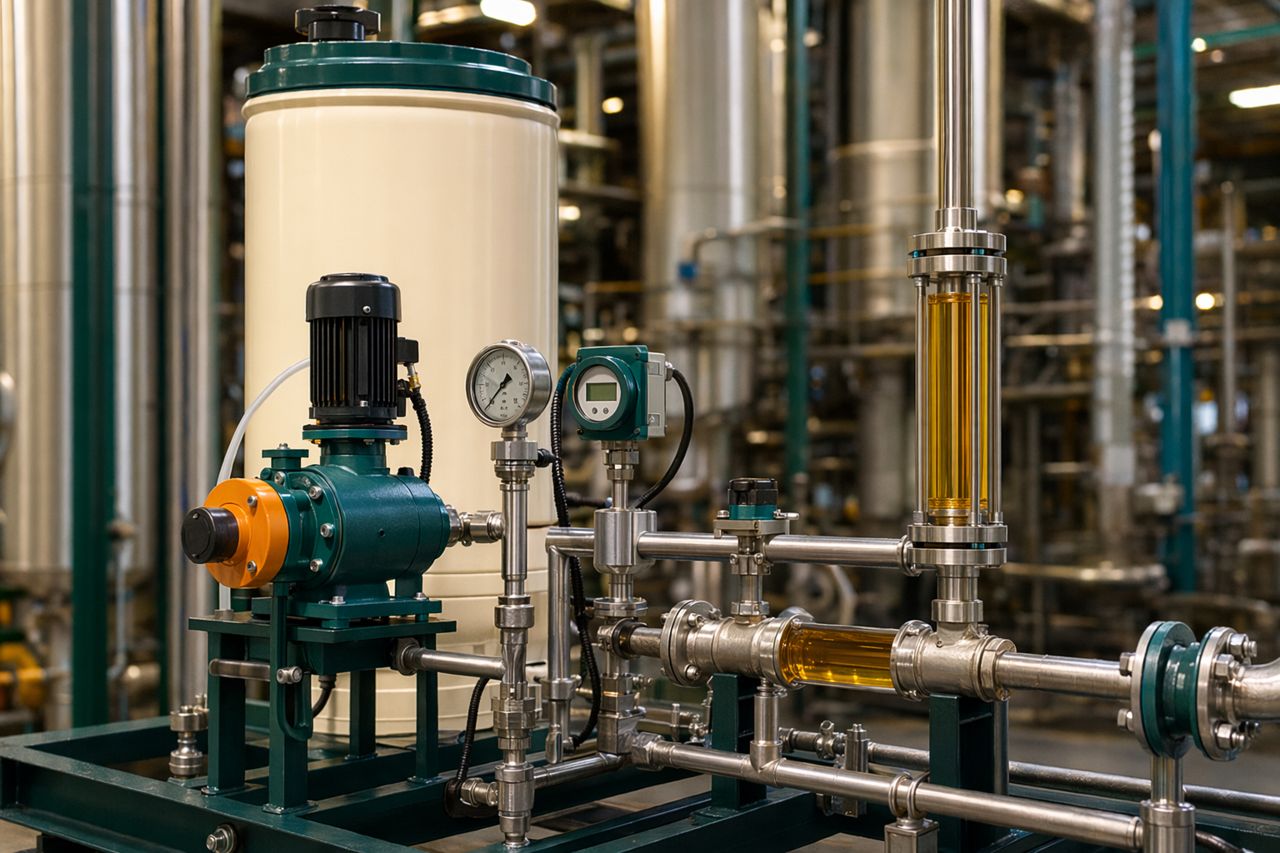
- Dosing pump stability
- Acid and water addition points
- Mixer intensity and shear exposure
- Reaction temperature trend
- Actual residence time at current throughput
- Separator feed pressure and flow stability
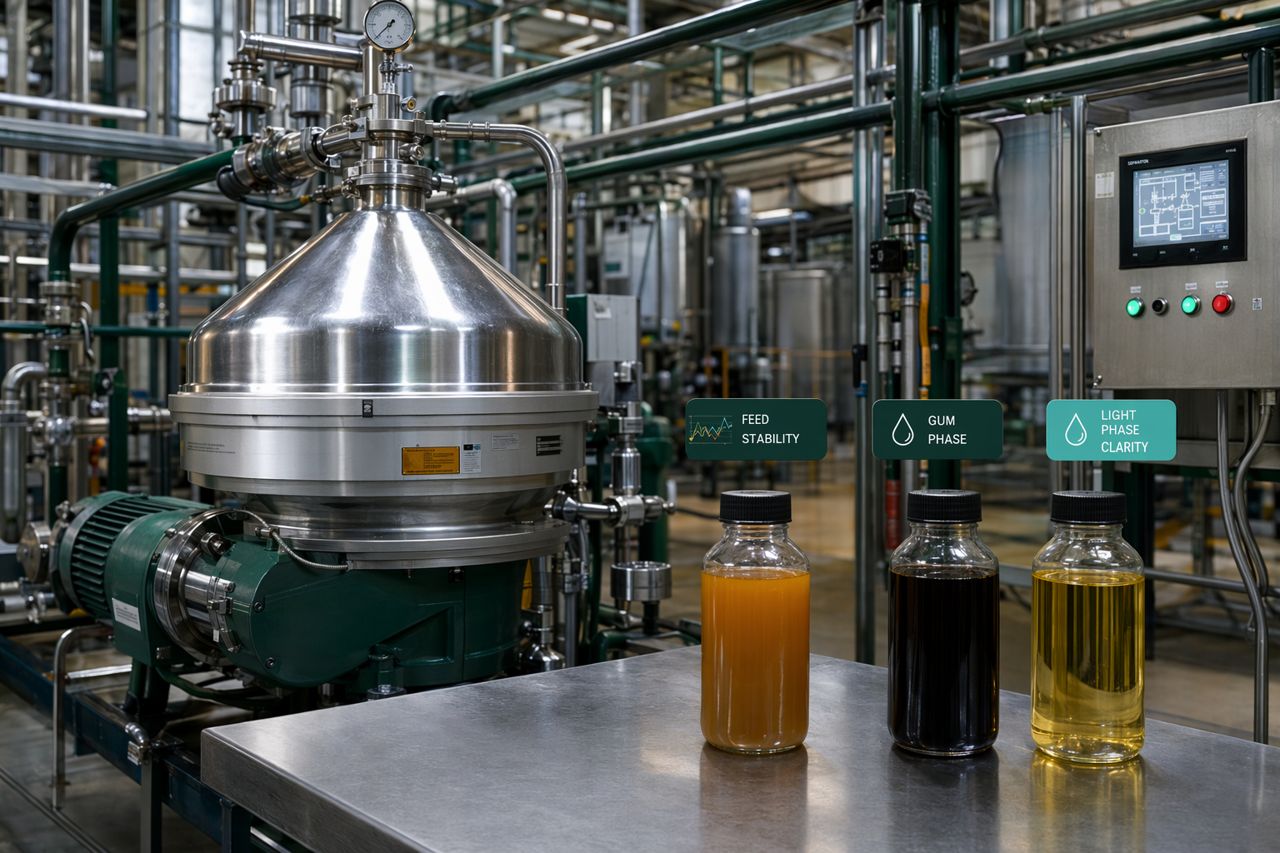
- Light phase clarity and gum phase behavior over time
This sequence often prevents unnecessary mechanical changes and helps teams focus on the process variable that is actually driving the instability.
Why enzyme supply reliability matters
For edible oil refineries, enzyme supply is not a boutique purchasing item. If the plant builds phosphorus reduction, yield improvement, and water management around enzymatic degumming, supply continuity matters.
Enzymelight supports refinery customers with commercially practical enzyme supply, documentation, and application guidance. The focus is consistent plant performance: stable dosing, predictable separation, reduced surprises at the centrifuge, and practical support when crude oil quality or operating rate changes.
Request a quote for edible oil degumming support
If your refinery is evaluating enzymatic degumming, troubleshooting centrifuge separation, or trying to reduce neutral oil loss while meeting phosphorus targets, Enzymelight can help review the process context and supply fit. Wholesale and bulk supply is quoted per order.
To get a quote back quickly, put these in your inquiry:
- Product: the degumming enzyme you want priced, or the problem you need it to solve
- Quantity: trial lot and expected monthly or campaign volume
- Destination: country and delivery site
- Oil type, current degumming setup, target specification and the separation challenge, if known
Request a quote through the inquiry form. We will respond with a practical next step for enzyme supply, trial planning, or process review.